

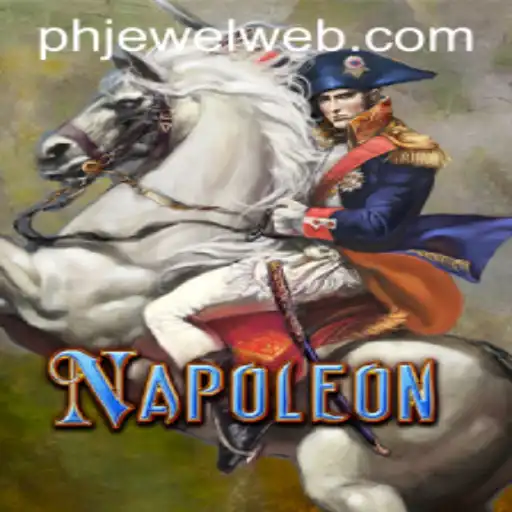
Delve into the intriguing game of Napoleon, exploring its rules, strategic depth, and how it connects with the real-time events.
Discover the Game of Napoleon
Amidst the fascinating world of card games, Napoleon stands out as a classic example of strategic thinking blended with historical charm. The game, inspired by its namesake, the iconic French leader Napoleon Bonaparte, encapsulates the art of strategy in a manner that is both intellectually stimulating and immensely engaging. In this article, we will delve into the game's description, its rules, and how it resonates with contemporary times, intersecting with modern-day events and platforms like PHJEWEL.COM.
The Introduction to Napoleon
Napoleon is a trick-taking card game traditionally played with a standard 52-card deck. The game can accommodate three to six players, making it an ideal choice for group play. The primary objective is for the player, referred to as the 'commander' for the round, to declare the number of tricks they intend to win, with the ultimate aim of successfully achieving or surpassing their declared goal.
The historical backdrop of the game enriches its appeal, drawing enthusiasts who appreciate games with a story. The connection to Napoleon Bonaparte hints at themes of conquest, strategy, and leadership, skills that are essential in achieving victory in this game.
Understanding the Rules of Napoleon
Setup and Deal
Each player is dealt five cards, with the rest forming a stockpile. The player to the dealer's left begins the bidding process by declaring the number of tricks they aim to win. This continues clockwise, with each player having the option to either bid a higher number or pass.
The Role of the Commander
Once the highest bid is made, the successful bidder becomes the commander. The commander then selects a card from the stockpile to replace one from their hand, enhancing their strategic potential. This aspect of the game emphasizes planning and foresight, reflecting the strategic prowess of Napoleon himself.
Play and Winning Tricks
Play proceeds with the commander leading the first trick. Each player, in turn, must follow suit if possible, with the highest card of the leading suit winning the trick. The commander must fulfill their bid through careful play, leveraging favorable hands, and anticipating opponents' moves.
Scoring and Strategy
If the commander achieves their bid, they are rewarded with the points equal to the number of tricks they pledged. Failure to meet the bid results in a point deduction, fostering an environment rich in competitive strategy where players must balance risk and reward.
Napoleon in Today’s Context
In the age of digital evolution, Napoleon has transitioned into the online realm, including platforms such as PHJEWEL.COM, where it joins a host of other traditional games enjoying a revival. These platforms offer Napoleon enthusiasts a chance to connect with others globally, engaging in tournaments or casual play. The strategic elements of Napoleon resonate well with current global events, where strategic planning and agile decision-making are pivotal.
Moreover, during uncertain times, such as the fluctuating global economic landscape, the game of Napoleon offers players a microcosm of real-world challenges. Success depends on assessing risk, predicting outcomes, and making informed choices – skills needed not only at the card table but also in businesses and personal endeavors worldwide.
In conclusion, Napoleon as a game has stood the test of time due to its intricate blend of skill, strategy, and chance. The resurgence on platforms like PHJEWEL.COM illustrates its enduring appeal and relevance.




0 Comments